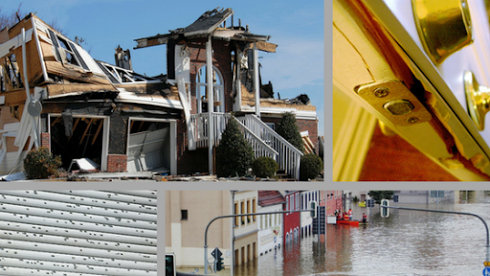

What Are Homeowners Insurance Exclusions?

Equipping yourself with homeowners insurance is a smart move. It covers many of the major issues you may face while living in your home and will prevent you from an even bigger headache of paying for restoration costs out of pocket if your home does incur damages. However, just because you have homeowners insurance doesn’t mean it covers all types of damage.


Exclusions, also known as risks, are named by insurance companies as types of disasters that aren’t covered by your policy. They are essentially a way for your insurance company to either deny your insurance claim or purchase extra coverage for special circumstances. Understanding insurance exclusions is vital to making sure you are protected. Learn more about exclusions basics and always feel free to reach out to Guardian Public Adjusters with any questions.


What Are Common Types of Exclusions?

Each insurance policy is different, especially in a time when policies are highly customizable. However, it may not be clear when you sign up for your insurance what types of disasters are covered when you get down to the fine print. Here are common types of exclusions:

  • Maintenance: Let’s say your home’s roof is past it’s recommended lifespan, but has damage from a severe storm. In most cases, it will no longer be covered under your insurance since you failed to maintain it.
  • Ordinances: If your city mandates you to update a part of your home, this usually isn’t covered in your general insurance plan.
  • Flooding: This is a major one. Most standard homeowners policies don’t cover flooding or any flood damages. It is an add-on that must be purchased separately.
  • Injuries: Say someone slips and falls off of your deck. Generally, third-party injuries are not covered under homeowner policies.
  • Expensive Items: Check your policy to see what the limit is on any damaged items. You may find that there is an exclusion for damaged or stolen personal items over a certain value.


Most homeowners don’t take the time to memorize their policies or just don’t understand insurance jargon. It’s important, though, to make sure you are covered before a disaster strikes. Once you do need to file your insurance claim, though, hire Guardian Public Adjusters. We help residential and commercial customers throughout Central Illinois understand their coverage and also get a maximum insurance settlement.

3 Ways To Avoid An Insurance Claim Denial

Filing an insurance claim can leave you with a headache, and nothing is worse than going through the motions only to find out that your claim has been denied. While insurance providers are doing everything they can to save themselves money, there are also ways on your end you can prevent a denied insurance claim.


1. Understand Your Policy

Nobody likes to sit around and read insurance policies, but it’s imperative to understand what coverage you have. Failing to understand your coverage can lead to a denied insurance claim. Even within your policy, you should take special notice of exclusions, as this is where many homeowners and business owners get denied. Most people don’t know how to read and interpret insurance policies, which is why public adjusters are available to you. At Guardian Public Adjusters, we can review your policy with you, put it into words you understand, and recommend how you should proceed with your claim.


2. File Your Claim Immediately

After any sort of damage has occurred, contact your insurance company immediately. Filing your claim in a timely manner is vital for a variety of reasons. Your claim largely hinges on documentation and evidence, so the more you have from the start, the better. Also, your policy will have a stipulation for how long you can wait to submit your claim. If you file your claim outside of this window, you can expect denial.


3. Document & Retain All Damages

When you have damaged property, you may be tempted to throw away things you can no longer use or try to clear the scene to make the space usable. This is extremely detrimental, though, as your insurance provider will want all documentation of damages. This includes physical evidence, along with record keeping. They will use this to evaluate how much compensation you deserve, so any missing pieces could lead to a smaller or even denied claim.


Even though disasters don’t occur frequently and many homeowners and business owners may never have to file a claim, your insurance carrier will still expect you to be claim experts. They will use any reason to deny your insurance claim, so it’s up to you to know how to avoid this. Luckily, you have the right to hire a public adjuster to work on your behalf. Guardian Public Adjusters is licensed throughout the entire state of Illinois to support residents and commercial clients with all types of insurance claims. Contact us to ensure a smooth claims process and maximum payout.


3 Types of Claims Adjusters

When you go to file your insurance claim, you will be assigned an adjuster. But who is that adjuster? And who are they working for? Did you know you are able to hire your own adjuster, too? You will hear various types of adjusters thrown around as possibilities for who will evaluate your damage and help submit your insurance claim. They are not all the same, though. Even as you go to hire your own adjuster, you may think an Independent Adjuster, for example, works completely separate from the insurance company. That is not the case, though. Learn more about the different types of adjusters and who they work for.

When a staff adjuster sees your homeowner’s insurance claim, saving the insurance company money is their priority.

Staff Adjuster

As the name implies, the staff adjuster is an employee of the insurance company. They work full time and are paid on a salary or hourly basis for any claim that comes the insurance company’s door. In short:

  • Employed By: Insurance company as an employee
  • Works For: One insurance company
  • Motive: Save insurance company money


Don’t be fooled into thinking independent adjusters work for your interest. They are still doing everything they can to save the insurance company money.

Independent Adjuster

Sometimes insurance companies don’t want to hire full-time, in-house adjusters because of how much it costs to pay them. The alternative is to hire an independent adjuster and contract them on a case-by-case basis. In short:

  • Employed By: Themselves or their firm
  • Works For: Any number of contracted insurance companies
  • Motive: Save insurance company money


Unlike the others, public adjusters work directly for you to ensure your claim goes smoothly and you get a payout to restore your home.

Public Adjuster

Unlike other types of adjusters that may or may not need to be licensed depending on the state, public adjusters are licensed and trained to assist with the insurance claim process. Since they don’t work on behalf of an insurance company, they don’t have ulterior motives. They are simply there to help the insured. In short:

  • Employed By: Themselves or their firm
  • Works For: Their client, the insured
  • Motive: Help the insured get a quick, fair settlement


It’s important to note that of the three types of adjusters, only one is actually working for you, the insured. When you go to submit your insurance claim and are given either a staff or independent adjuster, know that you also have the right to your own public adjuster.


I Received A Request For An Examination Under Oath – Now What?

So you’ve suffered from a loss, have contacted your insurance company, submitted an inventory list, and then out of nowhere receive a request to appear at an examination under oath (EUO). You may be wondering what that is and why you are receiving such a request. At Guardian Public Adjusters, we help our clients get through the insurance claim process, including EUOs. Learn more below about what is actually happening when you receive an EUO request and how to best handle it. If you have questions, feel free to give us a call.


What Is An Examination Under Oath?

An EUO is a legal process through which you (the insured) appear in court for questioning by your insurance company. The goal is for them to get the most information possible about your insurance claim before formally accepting it or denying it. Reasons why insurance companies conduct EUOs stem from preventing fraud to simply intimidating clients before denying their claim. No matter what the reason, though, if you receive a request for an EUO, you must appear.


Common Questions About Examinations Under Oath

  • What happens if I don’t go to my EUO?

Most insurance policies have language giving insurance companies the right for further examination. While you technically wouldn’t be breaking the law in not going, your insurance claim will likely be denied.

  • Do I have to answer all of the questions during my EUO?

Since your insurance company has the right to conduct an examination as part of your policy, you can’t decline answering questions. They may ask questions that seem irrelevant or confusing, but answer them as honestly and as best as possible. If you don’t, you are at serious risk for having your claim denied.

  • Can I hire an attorney for my EUO?

You do have the right to an attorney for your EUO, but they cannot answer on your behalf or object to questions being asked. Their purpose would be primarily to help you prepare.

  • How can a public adjuster help with my EUO?

If you’ve already hired a public adjuster to help with the rest of the insurance claim process, they can certainly help with this, as well, since they would be the most knowledgeable about the value of your property and present damages. Similarly to an attorney, they can help you prepare documents, rehearse common questions, and make sure you’re familiar with how the EUO will work.


No matter what type of disaster has damaged your property, Guardian Public Adjusters can help you get back on your feet. We work with your best interest in mind, providing services such as documenting damages, evaluating losses, and even preparing you for your examination under oath, if you should receive one. Call today!


Water Damage vs Flood Damage Insurance Claims

What type of insurance claim are you really making?

During spring and summer, heavy rainfalls trench the Midwest and, unfortunately, some may experience water damage to their homes. Others may just come home to a leaking dishwasher or exploded pipe. No matter what the cause, water and flood damage are never convenient or cheap. One of the most common misconceptions about water damage, though, is that all of it is covered by homeowner’s insurance. That is simply not the case. Insurance companies make a distinction between types of water damage and it’s important to understand this to make sure you are covered and can file the right type of claim.


Flood Damage Insurance Claims

According to Federal Emergency Management Agency (FEMA), the definition of flood is, “a general and temporary condition of partial or complete inundation of 2 or more acres of normally dry land area or of 2 or more properties (at least 1 of which is the policyholder’s property)…” This can be caused by a variety of different sources, including:

  • Overflowing water from a natural source (river, lake, etc.)
  • Heavy rain that can’t be absorbed by soil
  • Mudslide


When you think about flood damage, the simplest way to think about is that water is rising up from the ground into your home. If the home next to you has water in their home, as well, it is almost always a flood you are dealing with. Most homeowners who don’t live in a high-risk flood plain don’t consider paying for flood insurance necessary even though flooding is still possible. Either way, it’s important to understand both what is considered a flood and what is covered by flood insurance to know what type of claim will best suit your situation.


Water Damage Insurance Claims

In most cases, the standard homeowners insurance policy covers water damage. This does not rise from the ground, but rather is the result of water damaging the home before it hits the ground. Common examples of water damage include:

  • Burst frozen pipe
  • Broken plumbing pipe
  • Leaking appliance


It’s best to take a look at your insurance policy before a disaster occurs to see if you are covered. In the event of an emergency, contact Guardian Public Adjusters. Your insurance company may offer an adjuster, but remember that they are working on behalf of the insurance company, not you. As a public adjuster, we work directly for your to make sure you are fairly compensated for your flood or water damage.


How To Complete An Inventory List After A House Fire

Dealing with the aftermath of a house fire can be a traumatic and overwhelming experience. After everything you’ve been through, the last thing you probably want to do is write down everything that’s been damaged or destroyed for your insurance company. However, creating an inventory list, you can be sure the insurance company has an accurate account of everything they need to reimburse you for so your life can get back to normal as soon as possible.

What is an inventory list?

An inventory list is simply a document stating the personal property that was damaged or otherwise lost in an event covered by your insurance – in this case, a fire. Your insurance company will use this list to help determine how much you will be reimbursed for, so accuracy is imperative.


Here’s how to write an inventory list along with some helpful tips to make the process as easy as possible.


  1. Draw a diagram of your house: Creating a floorplan of your home and labeling each room helps jog your memory about what was in each room. Start the list by drawing in larger items like furniture and electronics because they’re easier to remember. Then use that context to help you remember the smaller items the room also held.
  2. Walk through your house: Once you’re told it’s safe to go inside, look for any salvageable items and note what you see that needs replacing. Be sure to wear a mask to avoid breathing in soot. Also, wear old clothes you can remove before leaving so you don’t track dirt into your car and new home.
  3. Look through old photos: Reference photos that were taken inside your house to help you spot items that you might have overlooked earlier. Ask family and friends for any pictures they might have too.
  4. Check credit card and bank statements: Look through the purchases you made and what you paid. This way, you’ll know what you list from these records are as accurate as possible.
  5. Go in-store or online to check prices: Look up the cost of the items from the stores you got them at. This way, you’ll know what to request for replacement costs so you don’t shortchange yourself or overvalue items which might raise a red flag with your insurance company, delaying the process.

If you want professional help creating your inventory list and valuing your items, Guardian Public Adjusters will take care of everything for you. Visit us at GuardianPublicAdjusters.com or call us at 309-267-4490 today and let us help you get your life back to normal sooner.


Tips For Filing Insurance Claims

Whether it is a flood, fire, or weather-related event, when a disaster strikes, knowing that you have a property insurance policy to cover repairs needed can be a real stress reliever. It’s important to know, however, that there is much more involved than making a phone call to the insurance company. Knowing what to expect can make the claims process less demanding.

  • Clear, well-rehearsed steps. Just like many families have a fire emergency exit plan in place, have a plan in place if you have to file an insurance claim.  Know where your actual policy is kept – whether it’s a paper or digital copy and know the insurance policy number.
  • Adjust your expectations.  Many times, people believe that the actual disaster is the most distressing part of the situation. While most often the case, the aftereffects, like navigating the red tape and paperwork, are also distressing.  Expect delays, additional questions, and challenging situations. There is always more paperwork involved than most people would like or expect.
  • Document. With smartphones being so commonplace, use this resource and document everything.  Take pictures of the damage immediately.  Now is the time to use a spreadsheet.  Google Docs and DropBox are your best friends, helping you share the information with public adjusters and the insurance company.   In addition to taking pictures, saving receipts, contracts, and appraisals, document phone calls by writing down who you spoke to and when. Hard copies belong in a safe or digitally in the cloud.
  • Don’t wait.  Know the time limits to report a claim, and hold to that deadline. If you wait too long, you may not be eligible for benefits – especially if waiting has made the problem worse. One example is a property owner that had water damage. The property owner waited a month before reporting the problem, enabling mold to set inside their house.  When he finally called, he learned he was outside the 14-day window required for reporting the problem.  Not acting immediately, he not only exacerbated the water problem with mold, but also was denied coverage.
  •  Don’t forget the deductible.  Just like health insurance, property owner insurance has a deductible.  Depending on your policy, property owner insurance generally requires you to pay a deductible any time you file a claim, which may be anywhere from $500 to $2,000.  This money is deducted from the final settlement amount, so don’t be caught off guard if the check is less than what you originally expected.

Guardian Public Adjusters serves commercial and residential clients throughout the state of Illinois. If you have questions about working with us, call our team at (309) 267-4490 to learn more.

Sources:

https://www.publicadjuster.com/resources/blog
http://www.sweetandbaker.com/blog/5-tips-for-filing-a-property-damage-insurance-claim.aspx

http://www.foxbusiness.com/features/2013/08/14/11-tips-every-home-owner-needs-to-know-about-insurance.html


https://smartasset.com/mortgage/how-to-file-a-homeowners-insurance-claim

When to Hire a Public Adjuster

As Midwesterners, we know the drill when it comes to seasonal weather challenges.  We’ve grown up with it.  If you’re too young to remember the Plainfield tornado of 1990, then you might remember the Snowstorm of 1999, a storm total of 21.3 inches fell making it the second biggest snowstorm ever in Chicago.

We’ve inherited an expectation of weather-related property damage (or any kind).  That said, when we do encounter property damage, it is only natural to be taken back. This is a time to consider how to make the best type of informed decision and to consider hiring a public adjuster.

When it comes to insurance claims, there are three types of adjusters a person might meet.  Staff adjusters work for the insurance company.  Working for the insurance company, it’s their job to keep the costs down.

There is also an independent adjuster who fills a similar role by working as a subcontractor for the insurance firm.  A Public Adjuster, on the other hand, works directly for you to ensure you get the maximum value from your claim and policy.

If you’re filing a property insurance claim, think about hiring a public adjuster, especially if the claim is for a high amount.  If you are a policyholder, you have nothing to lose.  Most public adjustment firms offer to visit a property loss free of charge to help a policyholder determine the severity of damage and whether they should file an insurance claim.

Even if you are confident in the dollar value of your property loss, it is still a good practice to get a second opinion.

Public adjusters frequently visit a home or business, finding that their loss estimate is far below what it should be.  Since public adjusters are independent and have third-party relationships to the policyholder and company, they are unlikely to leave out costs in their calculations, costs that a policyholder might forget or not know about. Here’s an example:  If part of your roof is destroyed by fierce winds, a homeowner may calculate the cost of a new roof…however, there is also the cost of removing the damaged roof.  A homeowner may risk miscalculating the complete cost of the project. A public adjuster will see that it is included.

Submitting an accurate, detailed claim is crucial to getting the right amount of money from an insurance company.  A public adjuster has accuracy and comprehensive experience that is not always seen with the insurance company adjuster.

Guardian Public Adjusters serves commercial and residential clients throughout the state of Illinois. If you have questions about working with us, call our team at (309) 267-4490 to learn more.

Sources:

https://www.valuepenguin.com/public-insurance-adjusters

https://www.weather.gov/lot/top20events_1900to1999


What Is A Public Adjuster?

Many people do not know what a public adjuster is until they have had to contact their insurance company.  Most people do not have to directly contact their insurance company unless their house has been damaged by a flood, fire, pipe bursting, or storm damage.  Because this can be an exceptionally emotionally draining time in a homeowner’s life, it is always wise to connect with a public adjuster.

Regarding insurance claims, there are three types of adjuster a person might meet.  Staff adjusters work for the insurance company.  They may not necessarily have our best interests in mind, as they work for the insurance company.  There is also an independent adjuster who fills a similar role by working as a subcontractor for the insurance firm.  A public adjuster, on the other hand, works directly for you to ensure you get the maximum value from your claim and policy.

A public adjuster is an independent contractor that works with the insurance company to make sure you get the insurance settlement that you deserve.  Because homeowners are overwhelmed with the sheer damage, possibly temporary living conditions,  and an abundance of paperwork, they may miss a detail in their insurance claim, possibly missing out on thousands of dollars in benefits.  If you work with a public adjuster, you can ensure your rights as a policyholder are being addressed, ensuring you get the maximum value from your insurance claim.

A public adjuster assesses the damage from a fire, flood or storm, making sure that nothing is missed.  The adjustor than finds a full and accurate value of every loss. They work with you to file your insurance claims so they are processed quickly and accurately, negotiating with your insurance company to maximize your benefits.

Guardian Public Adjusters serves commercial and residential clients throughout the state of Illinois. If you have questions about working with us, call our team at 309-267-4490 to learn more.

Sources

https://guardianpublicadjusters.com/

https://www.proflossadjuster.com/blog/bid/62846/Real-World-Insurance-Claim-Example-2

Share

Labels: fire damage claims flood claims guardian public adjuster Insurance claims storm claims storm insurance what is a public adjuster

Location: 701 Ann Eliza St, Pekin, IL 61554, USA

What Is A Public Adjuster And When Should You Hire?

Are you dealing with the aftermath of a natural disaster? Have you been a victim of robbery? You are not alone. Hiring a public adjuster will be able to work for you to ensure you get the peace of mind and the maximum value that you lost.

When is a public adjuster needed for a homeowner?

❖      Fires and smoke damage

❖      Flooding and mold

❖      Hail, high winds, and electrical storms

❖      Accidents and break-ins

First: They will assess the damage from a fire, flood, robbery or storm to be sure nothing significant has been missed.

Second: They help you to find a full and accurate value for every loss.

Third: They work with you to file your insurance claims so they can be processed quickly, and negotiate with your insurance company to see that you get every dollar you deserve.

Hiring a public adjuster very early in the process the better, before the fact-finding stage. This opportunity will help you receive a fair settlement for all losses covered under the insurance policy.  Anytime during negotiations with the insurance company, a public adjuster may be able to negotiate a higher amount.

For commercial property, they will work with insurance claims related to:

❖      property damages

❖      business losses

❖      builders’ risk

❖      mechanical and electrical breakdown

Public adjusters will recognize claims that may be insubstantial and disputable and will explain such problems to the insurance company and you as the client. For example, there are meanings such as “collapse” or “physical damage” that might be entirely different from legal interpretations. A public adjuster will have a firm grasp of the law including the division of judicial responsibilities between your insurance company and you.

Guardian Public Adjusters began on a simple principle: that our clients should get expert, courteous, and professional service at the moment they need it most. We know from experience that claims and situations are not the same. Commercial and homeowner policies are so complex that even your insurance representatives can miss critical details. At the same time, many of our customers undervalue the assets and property they have lost, or aren’t sure how to get the compensation they deserve at a difficult time. You can count on Guardian Public Adjusters to aid you in your time of need so that you can build your life again. Please call us at (309) 267-4490 or email us anytime atinfo@guardianpublicadjusters.com.

Sources:

www.prideadjusters.com

www.tdi.texas.gov

www.iii.org

www.en.wikipedia.org

Share

Labels: fire insurance guardian public adjusters insurance property damage public adjusters smoke damage storm insurance

Location: 701 Ann Eliza St, Pekin, IL 61554, USA