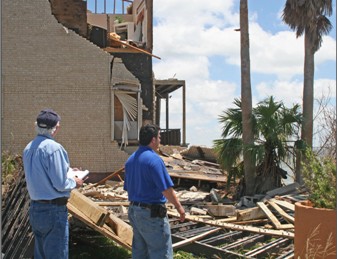

Whether it is a flood, fire, or weather-related event, when a disaster strikes, knowing that you have a property insurance policy to cover repairs needed can be a real stress reliever. It’s important to know, however, that there is much more involved than making a phone call to the insurance company. Knowing what to expect can make the claims process less demanding.
- Clear, well-rehearsed steps. Just like many families have a fire emergency exit plan in place, have a plan in place if you have to file an insurance claim. Know where your actual policy is kept – whether it’s a paper or digital copy and know the insurance policy number.
- Adjust your expectations. Many times, people believe that the actual disaster is the most distressing part of the situation. While most often the case, the aftereffects, like navigating the red tape and paperwork, are also distressing. Expect delays, additional questions, and challenging situations. There is always more paperwork involved than most people would like or expect.
- Document. With smartphones being so commonplace, use this resource and document everything. Take pictures of the damage immediately. Now is the time to use a spreadsheet. Google Docs and DropBox are your best friends, helping you share the information with public adjusters and the insurance company. In addition to taking pictures, saving receipts, contracts, and appraisals, document phone calls by writing down who you spoke to and when. Hard copies belong in a safe or digitally in the cloud.
- Don’t wait. Know the time limits to report a claim, and hold to that deadline. If you wait too long, you may not be eligible for benefits – especially if waiting has made the problem worse. One example is a property owner that had water damage. The property owner waited a month before reporting the problem, enabling mold to set inside their house. When he finally called, he learned he was outside the 14-day window required for reporting the problem. Not acting immediately, he not only exacerbated the water problem with mold, but also was denied coverage.
- Don’t forget the deductible. Just like health insurance, property owner insurance has a deductible. Depending on your policy, property owner insurance generally requires you to pay a deductible any time you file a claim, which may be anywhere from $500 to $2,000. This money is deducted from the final settlement amount, so don’t be caught off guard if the check is less than what you originally expected.
Guardian Public Adjusters serves commercial and residential clients throughout the state of Illinois. If you have questions about working with us, call our team at (309) 267-4490 to learn more.
Sources:
https://www.publicadjuster.com/resources/blog
http://www.sweetandbaker.com/blog/5-tips-for-filing-a-property-damage-insurance-claim.aspx
http://www.foxbusiness.com/features/2013/08/14/11-tips-every-home-owner-needs-to-know-about-insurance.html
https://smartasset.com/mortgage/how-to-file-a-homeowners-insurance-claim